

How to Choose the Right Fridge Size for Your Home
Introduction
Buying a new fridge is a bigger decision than it might seem. Too small and you're constantly running out of space; too large and you're wasting energy and bench space. Getting the size right comes down to three things: your household's storage needs, your kitchen dimensions, and the type of fridge that suits your lifestyle.
This guide walks you through everything you need to measure and consider before you buy.
Step 1: Measure Your Space First
Before looking at capacity, grab a tape measure and note down:
- Width: Measure the gap your fridge will sit in, then subtract at least 25–30mm on each side for ventilation clearance.
- Height: Measure floor to overhead cabinet (or ceiling), and allow 50mm clearance above the fridge.
- Depth: Standard fridges are 600–700mm deep. Check whether the doors will clear benchtops or islands when open.
- Door swing: Make sure the fridge door can open fully without hitting a wall, cabinet, or appliance. French door and side-by-side models need less swing clearance.
- Delivery access: Measure hallways, doorways, and stairwells — a fridge that fits the kitchen but not the front door is a common problem.
Step 2: Match Capacity to Your Household Size
A general rule of thumb used in Australia is 100 litres per person, plus an extra 100 litres as a buffer. Here's a quick reference:
- 1–2 people: 200–350 litres
- 3–4 people: 350–500 litres
- 5+ people: 500–700+ litres
If you bulk-buy, meal prep, or entertain frequently, size up. If you eat out often or shop daily, you may be fine sizing down.
Step 3: Choose the Right Configuration
Fridge configuration affects both usable space and how you interact with it daily:
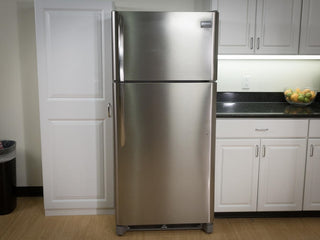
- Top mount (fridge on top, freezer below): Most affordable, energy-efficient, and widely available. Great for smaller households.
- Bottom mount (freezer on top, fridge below): Puts the fridge section at eye level — ideal if you access the fridge more than the freezer. Popular in Australian homes.
- French door: Wide fridge section with a bottom freezer drawer. Excellent for large households and those who want maximum fridge space.
- Side-by-side: Fridge and freezer side by side, full height. Good for narrow kitchens where a wide door swing is an issue, but individual compartments are narrower.
Step 4: Consider Energy Efficiency
Fridges run 24/7, so energy efficiency matters more than almost any other appliance. Look for the star rating label — each additional star saves roughly 20–25% in running costs. A 4–5 star fridge will cost noticeably less to run over its 10–15 year lifespan than a 2-star model, even if it costs more upfront.
Step 5: Features Worth Paying For
- Adjustable shelving: Essential for storing tall items like bottles and platters.
- Humidity-controlled crisper drawers: Keeps fruit and vegetables fresher for longer.
- Plumbed water/ice dispenser: Convenient but requires a water line connection — factor in installation cost.
- Frost-free freezer: Eliminates manual defrosting. Standard on most modern models.
- Door-in-door: Quick access to frequently used items without opening the full fridge.
Common Mistakes to Avoid
- Forgetting to account for ventilation clearance (can cause overheating and higher running costs).
- Measuring the old fridge instead of the space.
- Ignoring delivery access — measure every doorway and hallway on the path to the kitchen.
- Choosing a plumbed model without checking if a water line is accessible.
Shop Fridges at DMS Appliances
Browse our full range of fridges, with options across every size and configuration. Our team can help you find the right fit for your kitchen and household.
Disclaimer
Capacity figures and energy estimates are indicative only. Always verify product dimensions and specifications against your space measurements before purchasing. Delivery access requirements vary by product — contact us if you have any concerns about access.